Crack Control in Concrete: Crack Inducers vs Expansion Joints vs Saw Cuts

Amy Rogers • May 4, 2026

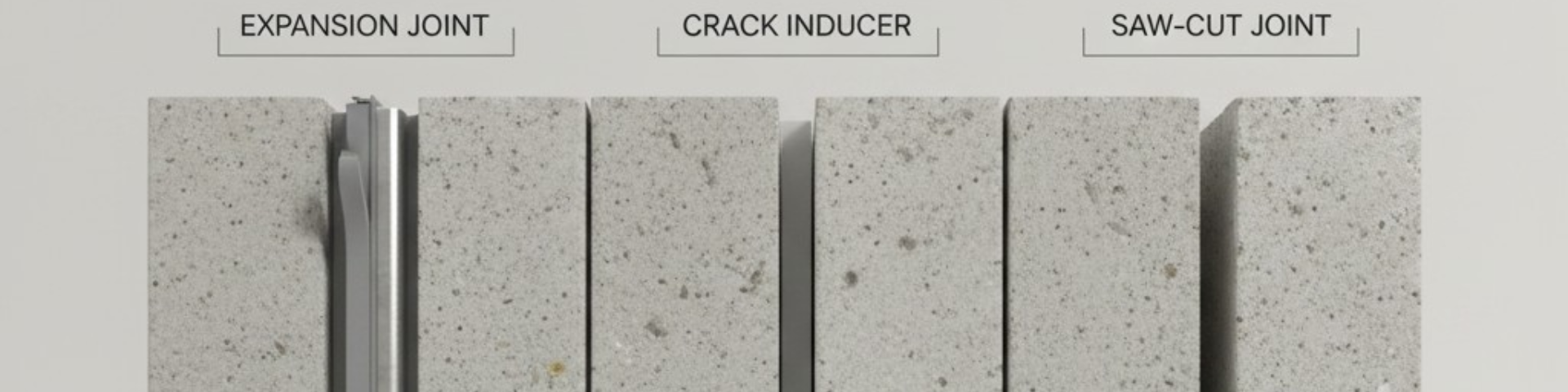
Cracks are inevitable.. Where cracks happen are not. We chose THREE, for a side-by-side-by-side comparison - you're welcome!

Cracking in concrete is unavoidable — but where and how it cracks is something you can control. The right crack control method not only improves the look of your slab but also extends its lifespan and reduces maintenance.

In this guide, we break down three of the most common methods used across residential and commercial projects:

  • Connolly Crack Inducers
  • Connolly Key Joint Expansion Strips
  • Traditional Saw Cuts


Why Crack Control Matters

Concrete shrinks as it cures. Without proper planning, this shrinkage leads to random, uncontrolled cracking that can affect both appearance and performance.

Crack control systems are designed to:

  • Direct cracks to planned locations
  • Reduce surface damage
  • Improve durability
  • Create cleaner, more professional finishes


Option 1: Connolly Crack Inducers

Best for: Decorative concrete, pathways, patios, small slabs

Connolly Crack Inducers are installed directly into wet concrete, creating a controlled weak point that encourages cracking to occur neatly along the strip.

Advantages

  • No need for saw cutting after pour
  • Clean, straight crack lines
  • Saves time and labour
  • Ideal for decorative finishes
  • PVC capping option provides a clean, slurry-free finish

Considerations

  • Not designed for structural movement
  • Best suited to smaller pours

๐Ÿ‘‰ Best choice when: You want a fast, neat finish without coming back to cut joints.


Option 2: Connolly Key Joint Expansion Strips

Best for: Large slabs, driveways, commercial pours

Key Joint Expansion Strips are used to separate concrete pours and allow for expansion and contraction between slab sections. They also provide load transfer across joints.

Advantages

  • Controls both shrinkage and movement
  • Suitable for heavy-duty and structural applications
  • Helps prevent slab movement and edge damage
  • Provides a clean, straight joint line

Considerations

  • Requires planning before the pour
  • Slightly higher upfront cost

๐Ÿ‘‰ Best choice when: You need a long-term structural solution for larger slabs or high-traffic areas.


Option 3: Traditional Saw Cuts

Best for: General concrete work and large flat slabs

Saw cutting involves cutting joints into the concrete after it has partially cured, creating a weakened plane where cracks can form.

Advantages

  • Common and widely understood method
  • Flexible joint placement after pouring
  • Suitable for most slab sizes

Considerations

  • Requires return visit after pour
  • Risk of dust, slurry, and mess
  • Timing is critical — too early or too late can cause issues
  • Can be less visually appealing than formed joints

๐Ÿ‘‰ Best choice when: You’re working on standard slabs and don’t mind returning to cut joints.


Which One Should You Choose?

  • DIY / Decorative Projects:
    Go with
    Crack Inducers for ease, speed, and a clean finish.
  • Driveways / Structural Slabs:
    Use
    Key Joint Expansion Strips for durability and long-term movement control.
  • General Purpose Concrete:
    Saw cuts remain a reliable, traditional option — especially for larger pours.


Pro Tip ๐Ÿ’ก

For the best results, many projects use a combination of systems:

  • Expansion joints for major movement zones
  • Crack inducers or saw cuts for shrinkage control within the slab


Final Thoughts

There’s no one-size-fits-all solution when it comes to crack control. The right choice depends on your project size, finish requirements, and how much movement your slab will experience.

Planning ahead — before the concrete is poured — is the key to achieving a strong, durable, and professional-looking result.
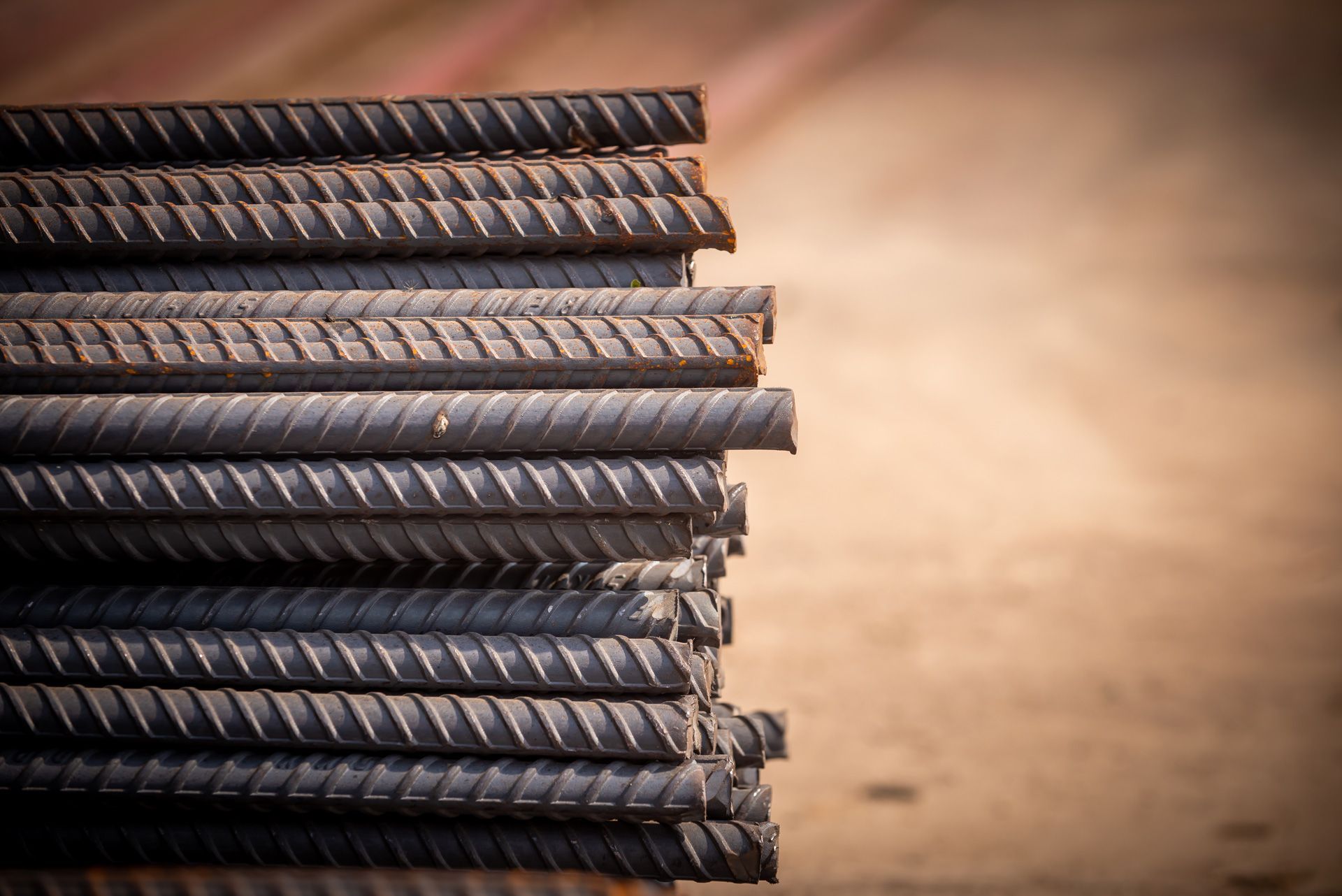
Steel Reinforcement (Rebar) for the purpose of strengthening concrete.
By ICR Concrete Supplies May 2, 2023
Steel reinforcement is embedded in concrete (or formed pre-pour) primarily to provide high tensile strength enabling concrete to resist weakness during tension.
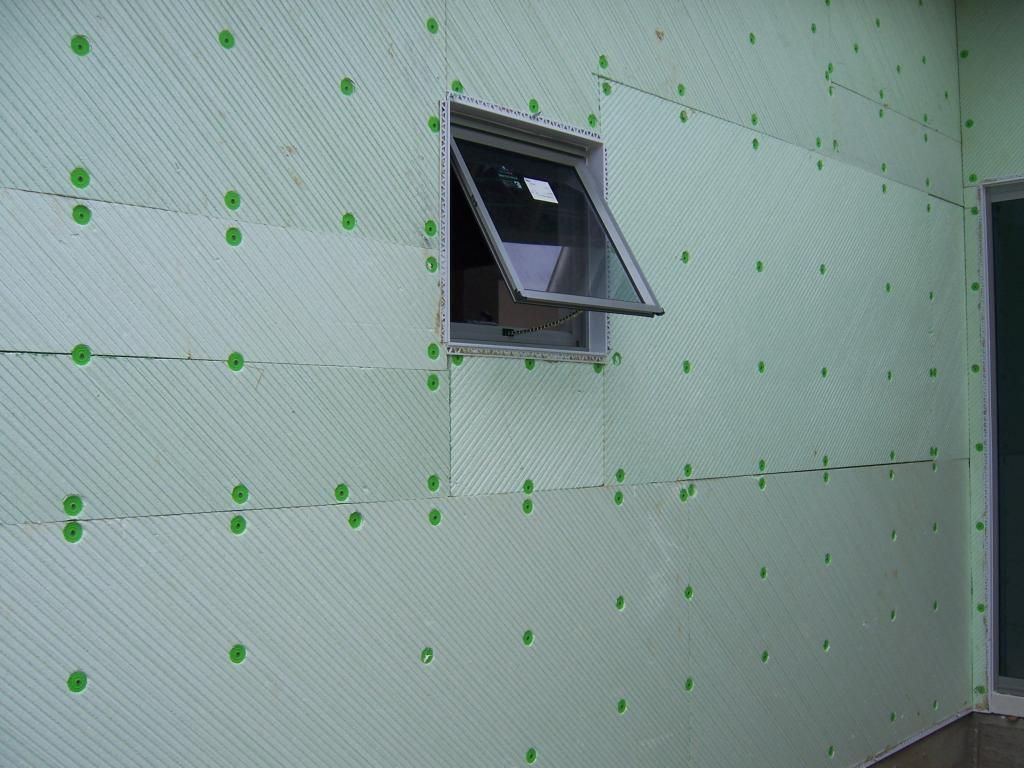
NRG Greenboard is an insulated wall panel reserved for exterior cladding and insulation properties.
By ICR Concrete Supplies May 2, 2023
NRG Greenboard is a high-density, insulated external wall cladding system designed for residential and commercial buildings to provide thermal efficiency, a seamless rendered finish and easy installation.
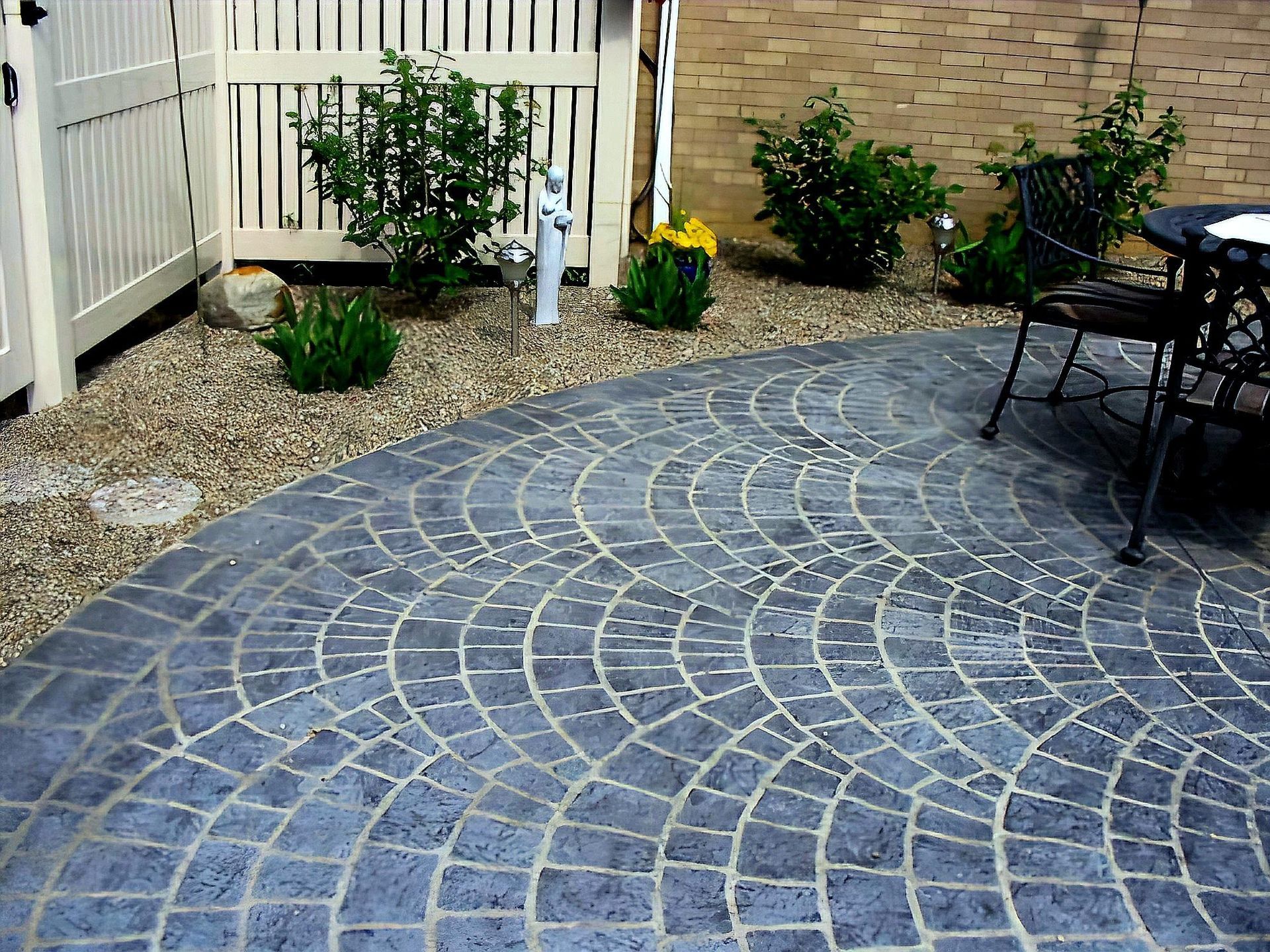
A variation of stencilled concrete finishes, using different patterns and colours.
By ICR Concrete Supplies May 2, 2023
The purpose of stenciled concrete is to cost-effectively transform plain concrete into decorative, durable and low maintenance surfaces that resemble premium natural materials.